Research

RSS Feed

My experience spans wearable sensing, clinical movement analysis, tissue biomechanics and engineering education. I have combined sensor design, motion capture, signal processing and machine learning with musculoskeletal simulation and finite-element modelling to investigate human movement and tissue biomechanics. I also design and develop digital and interactive technologies that support students and educators in engineering higher education.

Research toolkit

From measurement to modelling

Five complementary areas of my research experience.

Motion capture & analysis

Measuring movement and interpreting forces.

Force measurement, optical cameras, a marker-based mannequin and motion-capture reconstruction views.

Wearable sensing

From circuit design to body-worn systems.

Wearable circuit-board design, fabricated inertial sensors and hand and foot sensing illustrations.

Signals & machine learning

Finding patterns in posture and movement.

Original signal traces, inactivity segments and machine-learning visualisations from sleep posture research.

Musculoskeletal modelling

Connecting movement with joint mechanics.

OpenSim sit-to-stand models, knee force and moment diagrams and a knee-moment plot.

Tissue modelling & analysis

From medical images to mechanical behaviour.

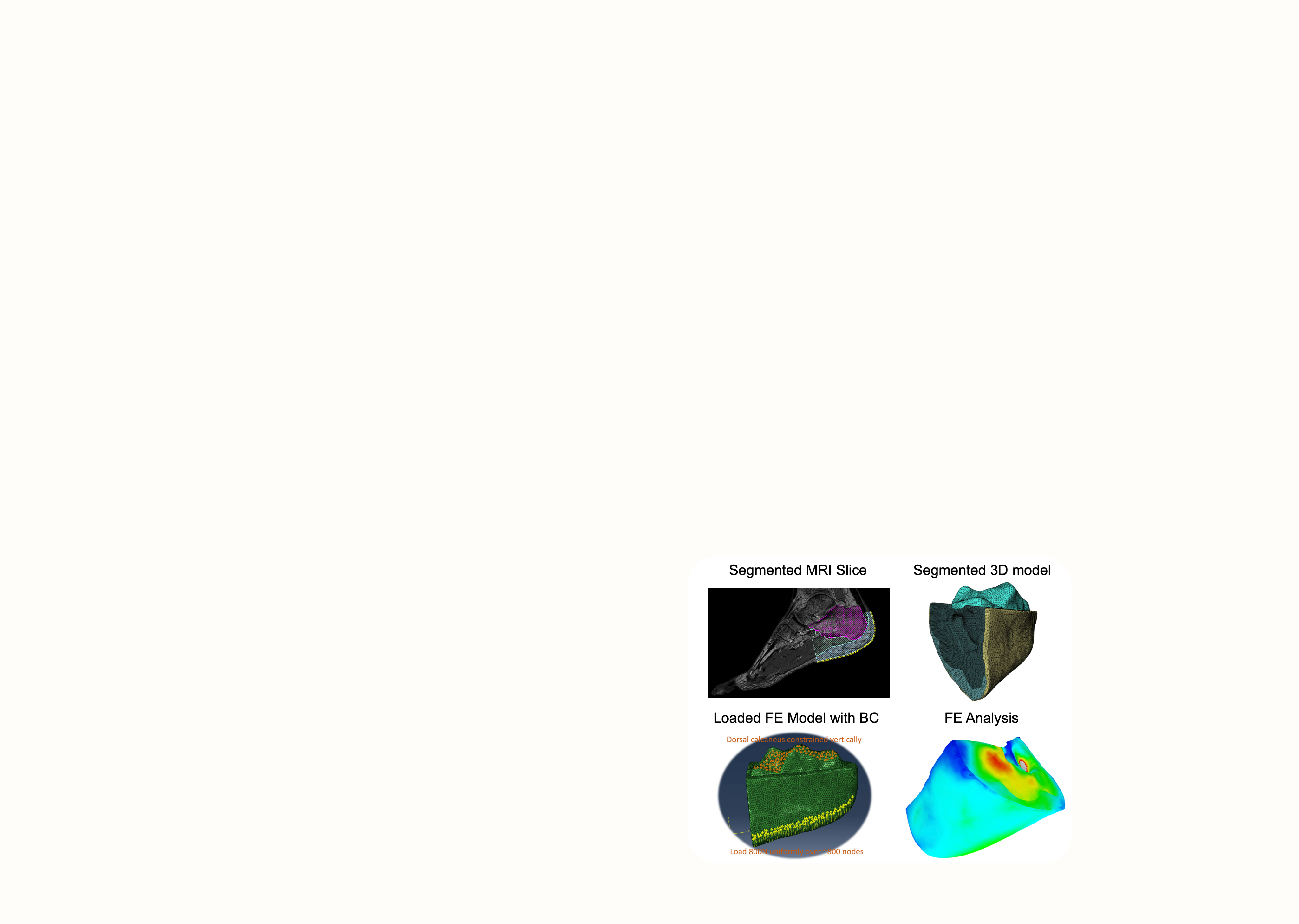
Segmented foot MRI, three-dimensional tissue mesh, loading conditions and finite-element analysis.

Images from my research portfolio. Select a panel to explore the detail.
Educational technology
Engineering education
Interactive learning
Virtual laboratories

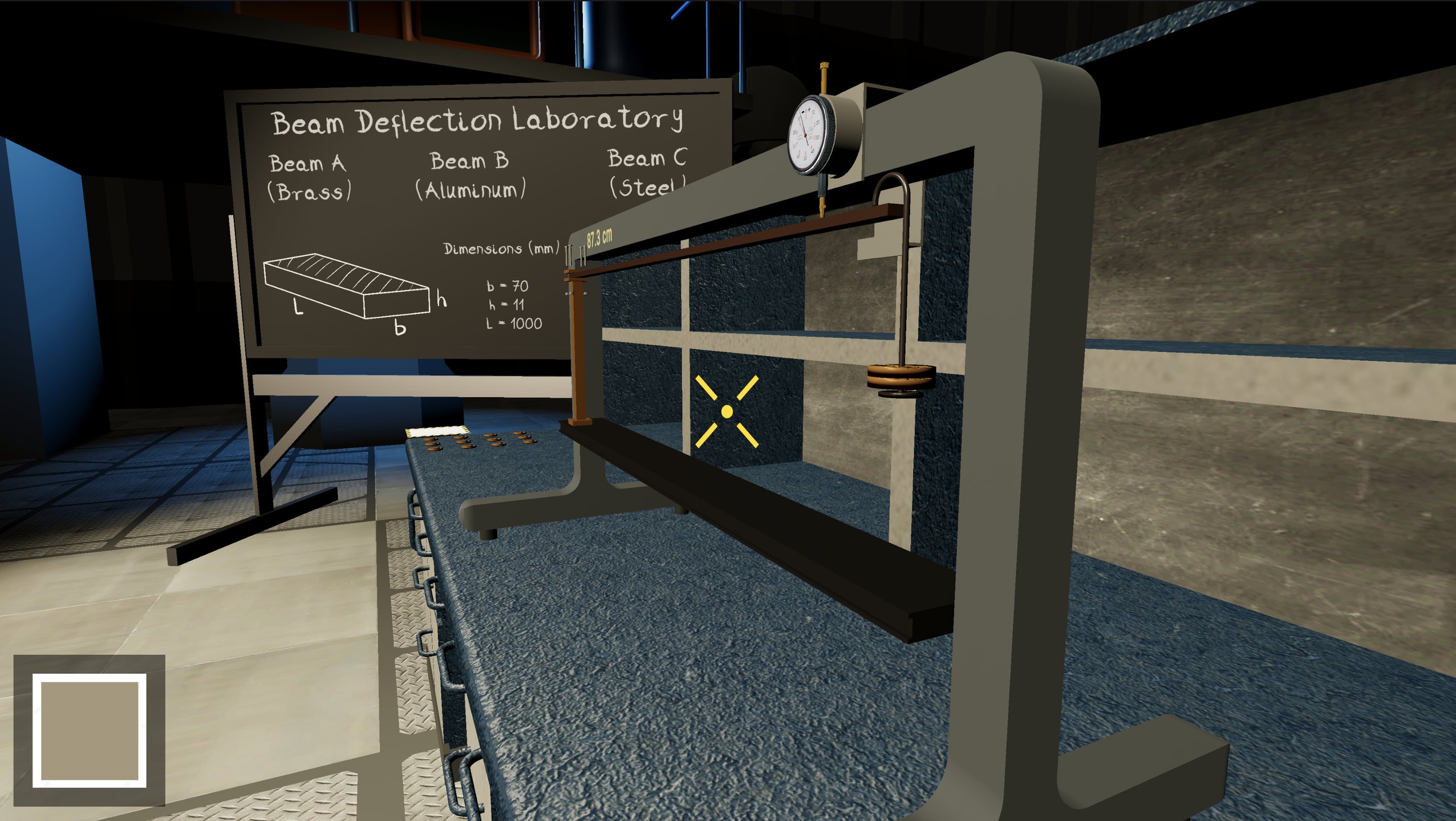
Exploring how practical activities, virtual laboratories and interactive learning resources can help students understand engineering concepts, develop judgement and learn together.
Movement and tissue biomechanics
Human movement
Tissue biomechanics
Biomedical imaging

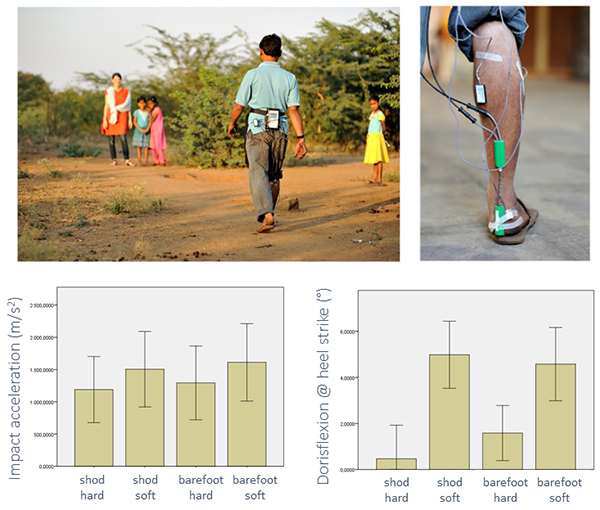
Using motion capture, biomedical imaging and finite-element modelling to explore human locomotion and tissue behaviour.

Sleep wearables
Wearable sensing
Sleep posture
Machine learning

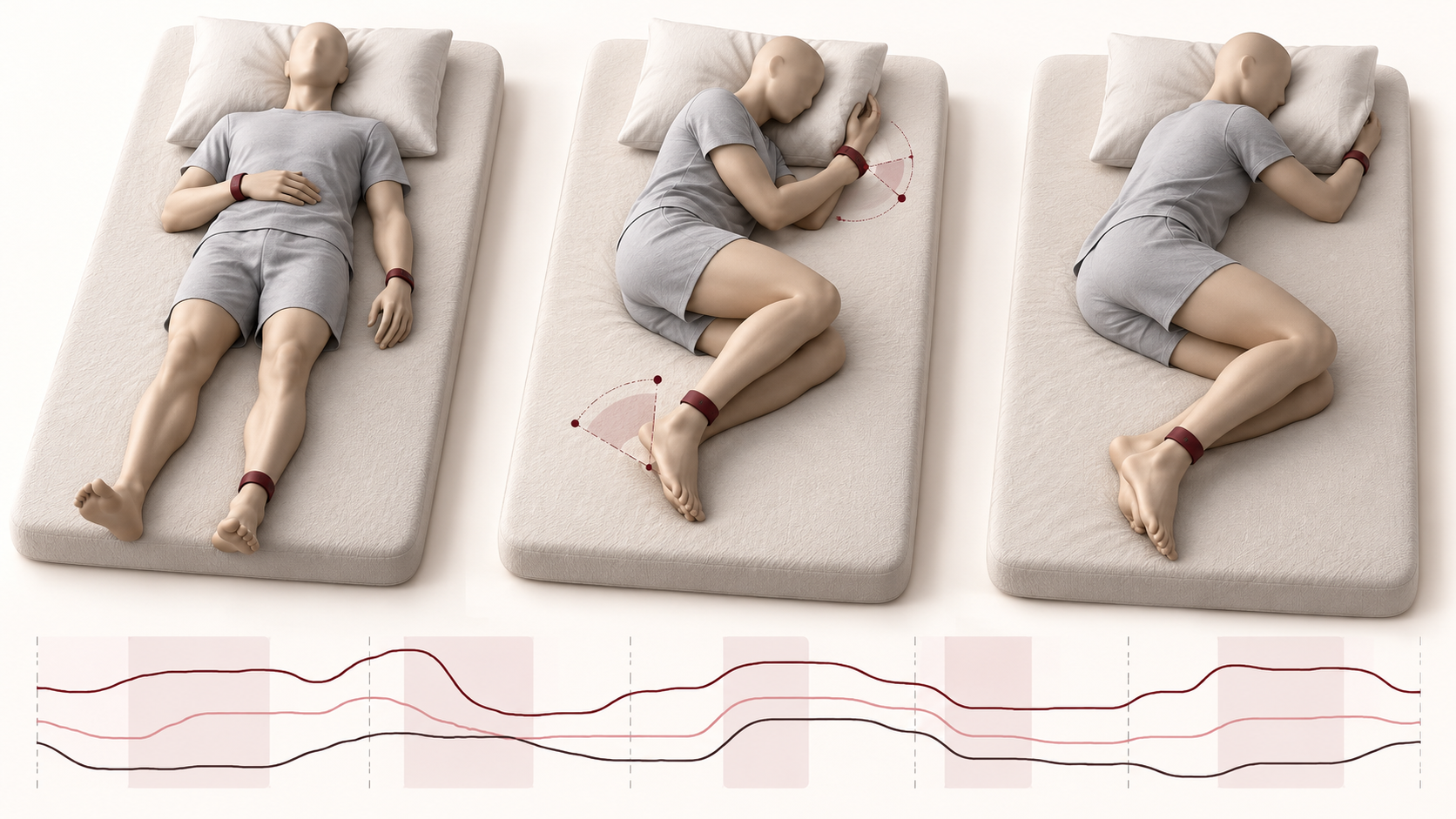
Wearable sensing, biomechanics and interpretable learning to understand how we position ourselves and move during sleep.

No matching items
Back to top